
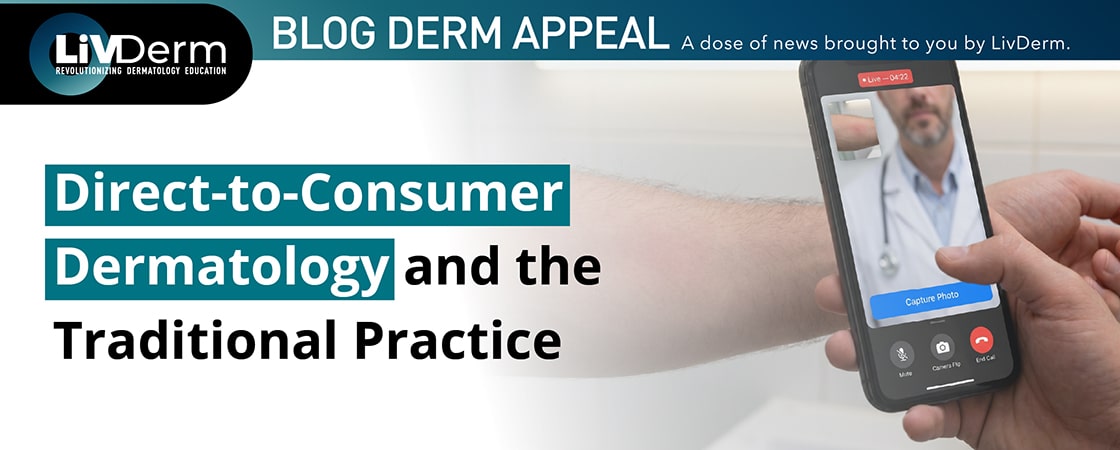
Direct-to-consumer (DTC) dermatology has become a significant mode of care in the post-COVID-19 world, allowing patients to access dermatologic services through online platforms. However, the shift towards DTC dermatology, including the use of telecommunication technology to deliver care, remains a controversial aspect of modern practice, with its advantages and limitations still actively debated by industry experts.
What is the impact of online prescription platforms and teledermatology on traditional practices? How does DTC compare in terms of patient safety, satisfaction, treatment efficacy, and quality of care? For today’s dermatologic professionals, it’s critically important to understand the rise of DTC, and how it affects their patients and their practice.
The Rise of DTC
The origins of dermatology in the U.S. date back to Henry Daggett Bulkley, MD, the pioneering physician who opened the Broome Street Infirmary for Diseases of the Skin in New York City in 1836. It wasn’t until the 20th century that truly effective therapies emerged, with agents such as quinacrine, para-aminobenzoic acid, dapsone, hydrocortisone, benzoyl peroxide, griseofulvin, methotrexate, and 5-fluorouracil rounding out the dermatologic toolbox.
The 21st century brought another major shift: the COVID-19 pandemic, which introduced interactive videoconferencing across the modern healthcare spectrum. What began as a convenient way to hold consultations during an era of mask-wearing and social distancing soon developed into a popular telehealth business model, particularly benefiting patients in rural or underserved areas where in-person dermatologic care may be limited.
The popularity of DTC teledermatology platforms has continued to grow, allowing patients to directly initiate visits with physicians and access prescribed treatments from a single platform. In many cases, this model helps reduce barriers to care and improve access for patients who might otherwise go untreated. Teledermatology can even play a role in identifying early signs of skin cancer and managing infectious or inflammatory skin diseases in remote areas.
Several studies have shown moderate-to-high diagnostic and management concordance between teledermatology and conventional in-person visits, particularly for cutaneous malignancies and inflammatory skin conditions.
Unfortunately, the growth of DTC teledermatology comes with a downside, as industry professionals raise concerns about possible conflicts of interest, overdiagnosis, and overprescribing.
A Good Bargain
“There are both potential benefits and risks when patients circumvent traditional dermatologic care,” says Hershel Dobkin, MD, FAAH, a board-certified dermatologist based in Bexley, Ohio.
Dr. Dobkin notes that advising patients on safe and effective home treatments and products has always been part of his role “as a clinician with a passion for a good bargain and one who legitimately enjoys helping patients save time and money.”
However, he also sees the downside of unsupervised DTC care. “Unfortunately, complications from online telehealth or social media–endorsed products are a weekly, if not daily, occurrence in my clinic,” he says, citing dramatic examples of what he calls “When DIY Derm Goes Wrong.” Examples include acne flares following a petroleum jelly TikTok trend, post-inflammatory hypopigmentation after an at-home “chemical peel”, and skin discoloration following the improper use of prescription-strength hydroquinone.
Key Takeaways
- The proliferation of telehealth and DTC skincare challenges the traditional role of dermatologists, offering both benefits and risks.
- Complications from online-prescribed treatments and DIY skincare are common, underscoring the importance of professional guidance.
Concluding Thoughts
Despite its popularity and usefulness in expanding access to care, DTC dermatology is not a replacement for the expertise of a trained dermatologic professional. When integrated thoughtfully — for example, by combining teledermatology with in-person evaluation and tools like dermoscopy — it can enhance access and support earlier diagnosis and treatment.
However, reliance on DTC platforms alone carries risks. As the landscape continues to evolve, dermatologists play a critical role in guiding patients toward safe, effective, and evidence-based care.