
Americans continue to practice dangerous sun behaviors that may put them at risk for skin cancer. The American Academy of Dermatology (AAD) recently released results from its annual Practice Safe Sun Survey, indicating that although 57% of Americans regularly use sunscreen and report taking steps to protect their skin, one-third said they got a sunburn in the past year. The report concludes that the combined influence of misinformation, social media, and persistent tanning myths may be encouraging adults to cut back on or stop using sunscreen.
“While it’s encouraging that over half of Americans are using sunscreen, young people and adults are navigating an overwhelming amount of conflicting information about sun protection,” said AAD President and board-certified dermatologist Murad Alam, MD, MSCI, MBA, FAAD. “Misinformation reinforces harmful tanning myths, leading people to underestimate the risks of UV light exposure and ignore protective measures.”
Perception Gap
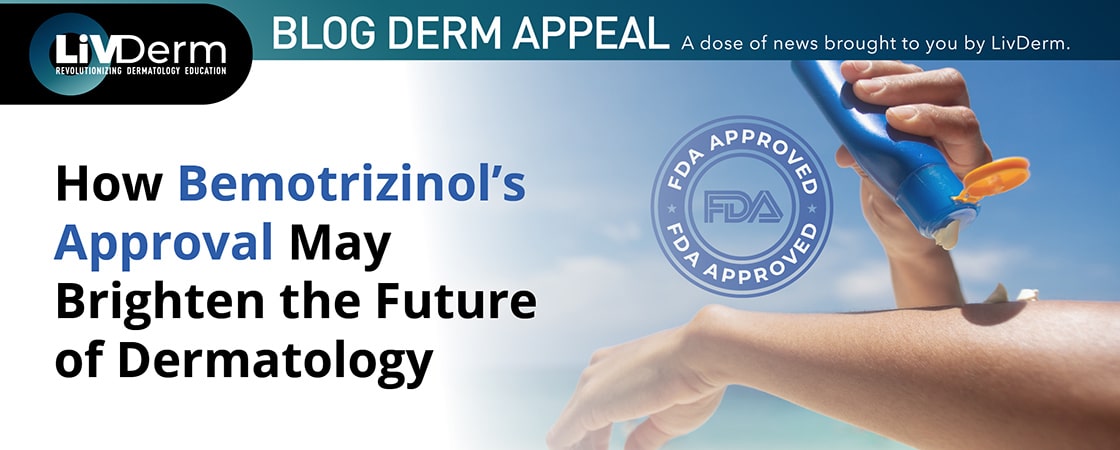
The protective measures recommended by the AAD to reduce the risk of skin cancer are simple but effective:
- Seek shade
- Wear sun-protective clothing
- Use sunscreen
So why, despite concerns about the long-term aging effects of sun exposure and the growing risk of skin cancer, do so many Americans continue to ignore this advice?
The AAD survey indicates a perception gap between the concept of safe sun practices and the reality of good habits that results in poor decisions.
Despite 67% of respondents to the survey rating their own habits as “good” or “excellent,” the reality is far less positive. The survey was administered to 1,132 U.S. adults and stratified by age, gender, region, race/ethnicity, income, and education, then weighted to match current U.S. Census population estimates. Nearly half of Americans score a “C” or lower on the AAD’s sun safety quiz, which assesses knowledge related to sun protection, with one-third of Gen Z receiving a D or an F, highlighting a clear gap between perceived and actual knowledge.
This knowledge gap has had real-life consequences, particularly for Gen Z. While one-third of all Americans experienced sunburn in 2025, Gen Z reported the most severe burns, resulting in clothing discomfort, feelings of embarrassment, sleep disruption, avoidance of photos, and disrupted vacation experiences. Sunburn is unpleasant in the short term, of course, but the fact that at least one in five Americans will develop skin cancer in their lifetime should be the ultimate motivation to protect skin from harmful ultraviolet (UV) radiation.
“There is a disconnect driving high rates of sunburn, with consequences that go far beyond just temporary discomfort,” Dr. Alam pointed out. “Sunburns cause pain and embarrassment in the short term, and over time they make the skin look wrinkled, spotted, and old, while also dramatically increasing the risk of skin cancer.”
Myths and Misinformation
One key driver of poor sun-safety decision-making is the abundance of misleading information online. More than 16 million adults reported that they were encouraged to reduce or stop using sunscreen because of online claims, with younger audiences far more likely to make sun protection decisions based on online misinformation. TikTok and Instagram influencers serve as a source of skincare advice for 21% of Americans and the primary source for 36% of Gen Z, and nearly half of all Americans (and 64% of Gen Z) reported encountering sunscreen information online.
Dr. Alam and the AAD reiterated the importance of practicing safe sun habits to reduce the risk of skin cancer, starting with science-based information and advice from clearly credentialed experts.
“It’s important to evaluate the source of medical information and make informed skincare decisions by seeking advice from a board-certified dermatologist,” he explained. “The reality is that window glass cannot stop harmful rays, and no amount of sun exposure is necessary or completely safe.”
That advice contradicts the persistent myth that a tan is harmless or healthy. Last year, more than 160 million American adults got a suntan, with nearly 60 million doing so intentionally, often driven by appearance ideals and false information. More than half of respondents believe at least one tanning myth, including that tanning is safe if you don’t burn (29%) or that a base tan can prevent sunburn or reduce cancer risk (19%), despite clear dermatological guidance that any tan is a sign of UV damage, which can increase skin cancer risk and accelerate premature aging.
“There is no such thing as a safe tan,” Dr. Alam explained. “Every time you tan or burn, you are also damaging the DNA in your skin and the more damage, the greater your risk of skin cancer.”
Learning the Hard Way
Concern about long-term skin health is on the rise as the effects of sun exposure make their literal mark on adult skin. Half of adults worry about premature skin aging, 43% report already seeing damage such as wrinkles or dark spots, and 70% wish they had done more to protect their skin earlier in life.
“Data show that many Americans are learning about long term sun damage the hard way,” said Dr. Alam. “The effects of UV exposure build over time – driving premature aging and increasing the risk of skin cancer, which is now the most common form of cancer in the United States. The good news is that much of this damage is preventable with simple, consistent sun protection habits.”
That means taking proactive steps to prevent sun damage, performing regular self-exams to detect skin cancer early, and consulting a board-certified dermatologist about any new or suspicious spots on the skin, including spots that are changing, itching, or bleeding. Skin health begins with reliable information, consistent sun-protection habits, and trust in scientific and medical expertise; reducing the burden of skin cancer starts with individual knowledge and responsibility.