
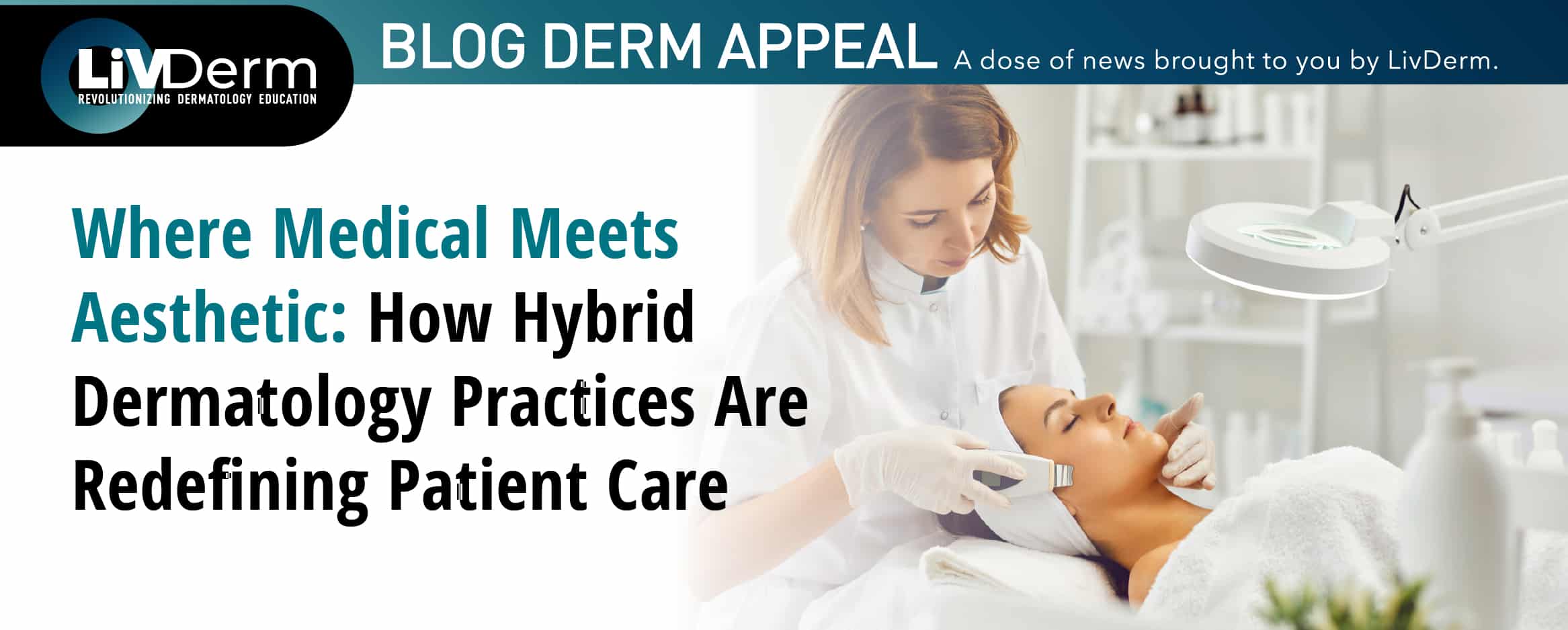
Dermatology has evolved rapidly over the past several decades, expanding from a specialty focused primarily on diagnosing and treating skin disease into one that also encompasses cosmetic, procedural, and wellness-driven care. With technological advancements, broader treatment options, and shifting patient expectations, many practices are now integrating both medical and aesthetic services under one roof — giving rise to the modern hybrid dermatology practice.
The Perfect Blend
From cortisone and early laser innovations to today’s diverse procedural and topical solutions, dermatology’s expanding toolkit has made it easier for clinicians to align their expertise with patient needs. Increasingly, this means combining medical management with aesthetic treatments in a seamless, patient-centered model.
Patients are more informed than ever about what dermatology can offer. Many now seek aesthetic treatments that complement medical care — for example, using lasers alongside acne or rosacea management — or they want preventative anti-aging treatments delivered by a trusted provider. A hybrid practice offers this convenience while supporting continuity of care.
Adapt and Flourish
Integrated medical–aesthetic care resonates with dermatologists who value comprehensive, whole-body wellness approaches. While general dermatology remains foundational, many practitioners are expanding their skill sets to include aesthetic procedures, and most new residents enter the field expecting to practice a blend of both.
For dermatologists, this hybrid approach provides a more varied and engaging professional experience, combining therapeutic, cosmetic, and preventive care. For patients, this model offers a single, trusted location where they can address both medical conditions and long-term aesthetic goals. It’s a modern, practical evolution that benefits both sides.
Why Hybrid Practices?
- Streamline care for busy patients seeking medical and aesthetic services in one place.
- Strengthen long-term patient–provider relationships built on trust and continuity.
- Meet growing demand for preventive wellness and anti-aging care, where medical and aesthetic services naturally intersect.
- Expand opportunities for PAs and NPs to contribute as part of a multidisciplinary team.
Clinical Integrity in Aesthetic Care
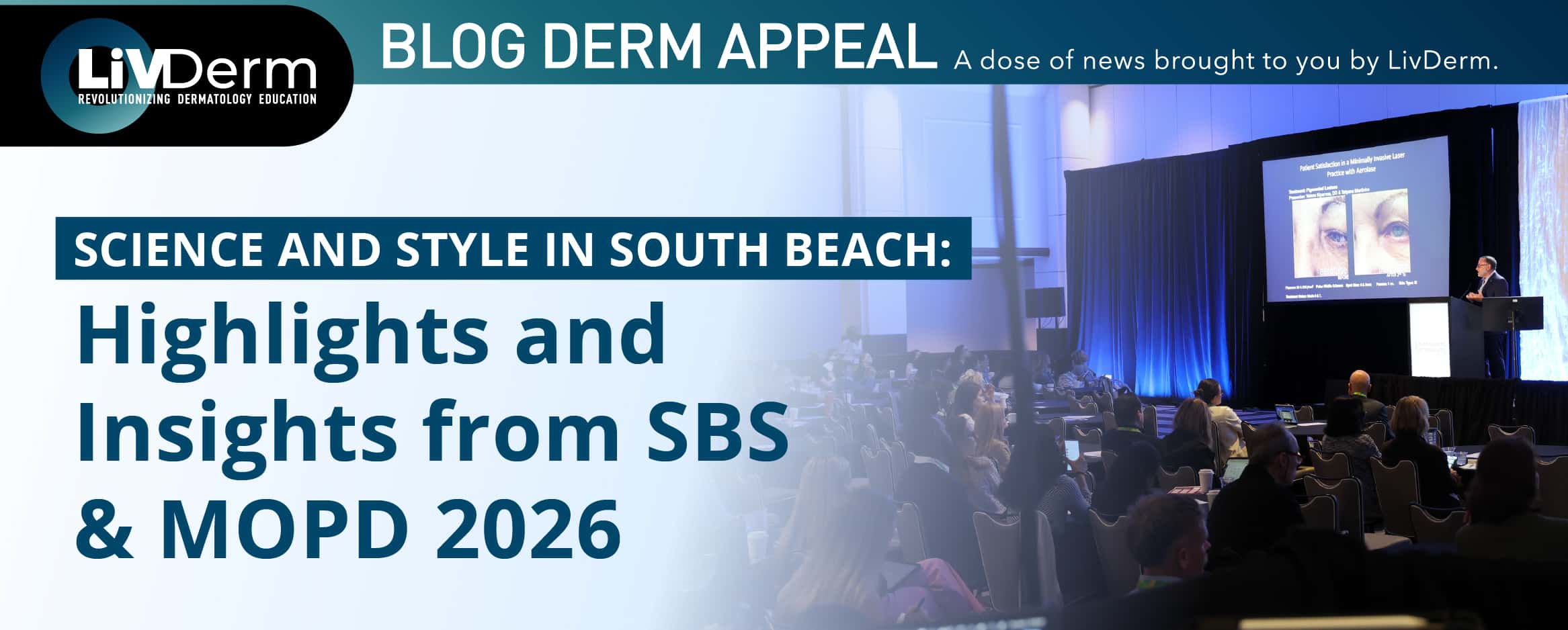
The hybrid model is most effective when practices maintain strong clinical standards — prioritizing education, training, and evidence-based protocols. Introducing aesthetic services requires ongoing learning, adherence to safety guidelines, and staying current with emerging therapies. Educational conferences like the South Beach Symposium (SBS) play an essential role by supporting clinician education and elevating patient care standards.
Comprehensive patient assessment is key. Today’s patients want more than fast fixes; they expect personalized treatment plans that address both immediate concerns and overall skin health. For many, that complete pathway to care starts within a hybrid dermatology practice.
Concluding Thoughts
Hybrid dermatology isn’t just a trend — it’s a natural evolution of patient-centered care. By blending medical expertise with aesthetic innovation, practices can deliver more comprehensive, confident, and meaningful results.