
March is National Nutrition Month, and the message is clear: a balanced diet rich in vitamins, minerals, antioxidants, and healthy fats is essential for overall health. Nutrition is also a cornerstone of skin health, playing a significant role in the management of inflammatory skin diseases. Prescribing a skin-heathy dietary regimen — and encouraging adherence — allows dermatologists to treat patients more holistically and empowers patients to engage more fully in their care.
Expanded Understanding
While dermatology has traditionally emphasized topical and systemic therapies, diet is now recognized as a modifiable factor influencing inflammation, microbiome composition, and skin barrier function. Growing evidence across multiple inflammatory skin conditions — particularly acne, psoriasis, hidradenitis suppurativa (HS), and atopic dermatitis (AD), supports incorporating dietary assessment and intervention into patient care.
Acne Vulgaris: High-glycemic-load foods, dairy intake, and whey protein supplementation have consistently been associated with greater acne severity. These foods elevate insulin and IGF-1 signaling, which in turn increases androgen activity and sebum production.
Hidradenitis Suppurativa: Obesity, insulin resistance, and mechanical friction worsen disease severity, and gut microbial imbalances may also play a contributory role.
Psoriasis: The disease’s strong systemic inflammatory component is closely tied to metabolic dysfunction.
Atopic Dermatitis: Compromised skin barrier function and immune dysregulation are influenced by dietary factors and microbiota composition.
Studies suggest that elimination diets may benefit certain patients, and probiotic supplementation has shown moderate benefits, particularly in pediatric populations. For HS, weight reduction, elimination of dairy or brewer’s yeast, anti-inflammatory diets, zinc supplementation, and adequate vitamin D, may decrease flare frequency while improving pain and quality of life.
In psoriasis, nutritional interventions targeting weight reduction — particularly hypocaloric or Mediterranean-style diets that emphasize anti-inflammatory foods such as olive oil, nuts, fruits, and fish, while minimizing refined carbohydrates and processed meats — have been shown to enhance therapeutic response and lower PASI and DLQI scores.
Patients with AD often exhibit reduced microbial diversity and overgrowth of staphylococcus aureus. Diets rich in fruits, vegetables, and plant-based omega-3 sources like flaxseed or hempseed oil may support barrier repair and decrease disease activity.
Nourishing the Skin from Within
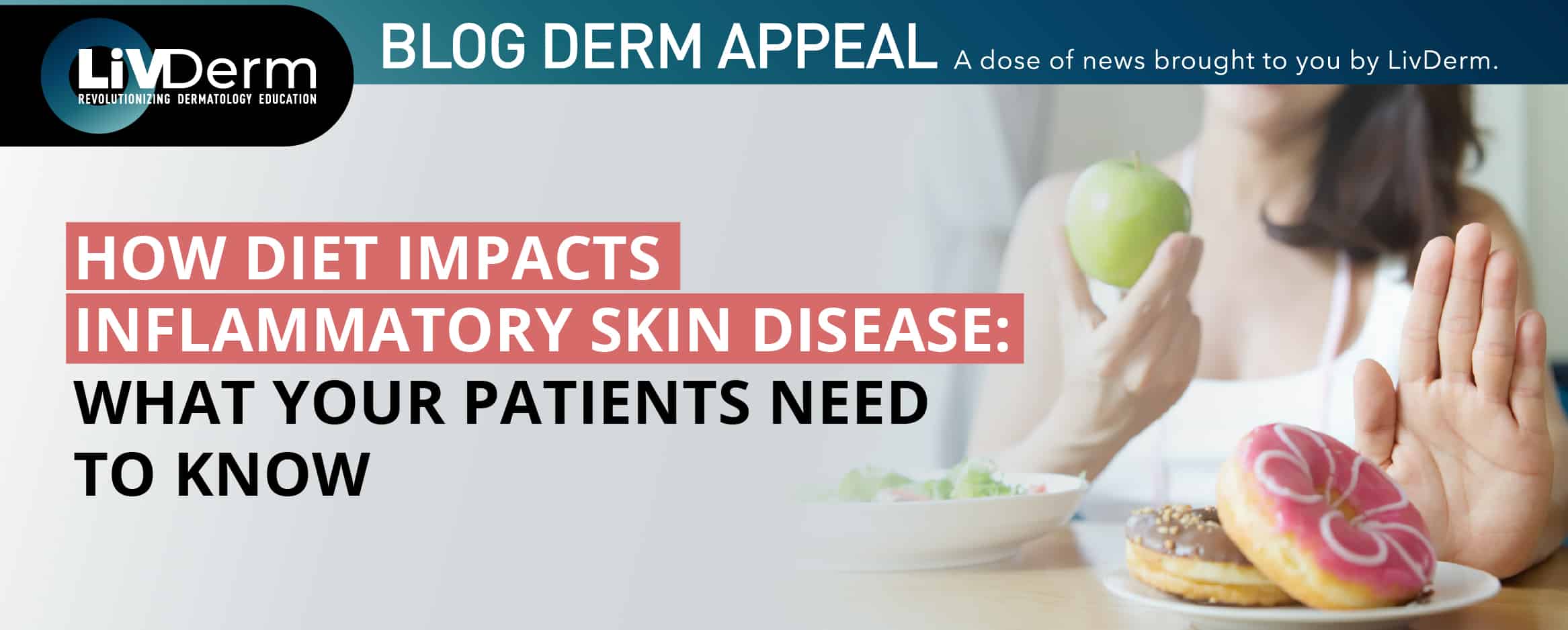
Research shows that diets high in refined sugars, white breads, pastries, and sugary drinks can increase insulin and IGF-1 levels, contributing to increased acne severity and systemic inflammation. Conversely, diets rich in fruits, vegetables, whole grains, healthy fats, and lean proteins are associated with lower inflammatory markers and milder symptoms in many inflammatory skin diseases.
Antioxidant-rich foods, omega-3 fatty acids, and adequate fiber also support the gut microbiome diversity and help regulate inflammatory pathways linking the gut and the skin. The clinical implications of this gut-skin connection are profound: improving gut health through dietary modification or probiotics may influence dermatologic disease expression and treatment response.
“We are learning more and coming to appreciate the amazing intricacies of our body,” explained Steve Daveluy, MD, a professor at Wayne State Dermatology. “Microbiome research is highlighting the amazing impact that our gut bacteria, or gut microbiome, has on the function of our immune system.”
Dr. Daveluy noted that this growing interest in nutrition among health care professionals, including dermatologists, reflects increasing awareness of the impact of the gut microbiome on the immune system. He emphasized that patients’ dietary choices impact their microbiome, which in turn interacts with the immune system to influence inflammation and skin disease.
“It’s important to talk to patients about their diet, since it can impact their response to therapy and risk of side effects,” he added. “Equipping yourself with some simple and practical dietary recommendations is a huge asset for your patients and will take your care to a new level of excellence.”
Dietary Recommendations in Practice
- Assess diet as part of history-taking
- Screen for nutritional deficiencies
- Address weight and metabolic health
- Encourage anti-inflammatory eating patterns
- Use elimination diets judiciously
- Coordinate care with registered dietitians when appropriate
Concluding Thoughts
Nutrition influences skin physiology, immune function, and disease activity, making it an important component of a modern, comprehensive treatment strategy. Patients should understand how diet affects inflammation, microbiome composition, and barrier function, and clinicians should encourage anti-inflammatory, nutrient-dense food choices.
Raising awareness about the gut microbiome as a key interface between diet, metabolism, immune signaling, and skin health empowers patients to make informed nutritional adjustments that support both systemic wellness and healthier skin.