
RINVOQ® Shows Significant Efficacy in Severe Alopecia Areata: Phase 3 Results Signal Expanding Therapeutic Potential
Alopecia areata is an autoimmune disease that triggers sudden and often unpredictable hair loss that continues to pose significant challenges for both patients and clinicians. While recent FDA approvals of JAK inhibitors have marked a turning point in available therapies, many patients still face limited or incomplete responses. New data shared in a replicate study […]
GLP-1 Therapies Are Shaping Trends in Aesthetic Dermatology

The rise of GLP-1 receptor agonists has transformed not only metabolic care but also the aesthetic dermatology landscape. While these medications were initially embraced for diabetes management and weight reduction, their widespread adoption is now influencing patient expectations and procedural trends in dermatologic practice. For dermatologists, understanding this evolving dynamic is critical for aligning clinical […]
3D Skin Imaging: A Noninvasive Breakthrough for Melasma and Beyond
Melasma remains one of the most challenging pigmentary conditions for dermatologists to manage. Despite the availability of multiple treatment modalities, limitations in diagnostic tools have often made it difficult to track disease activity and measure therapeutic outcomes with precision. Now, a new advancement in noninvasive imaging technology is poised to change that landscape. Recent research […]
Emerging Role of GLP-1 Receptor Agonists in Managing Hidradenitis Suppurativa

Hidradenitis suppurativa (HS) remains one of dermatology’s most challenging chronic inflammatory diseases, often leaving patients with significant physical discomfort and reduced quality of life. While biologics and systemic therapies have advanced treatment options in recent years, researchers are now exploring a new therapeutic angle — the integration of GLP-1 receptor agonists into HS management plans. […]
The Heat Factor: What Rising Temperatures Mean for Skin Aging and Dermatologic Care

As climate change intensifies, a growing body of research suggests that rising temperatures may do more than cause discomfort—they may actively accelerate the body’s biological aging. New data indicate that chronic heat exposure not only impacts overall longevity but could have direct consequences for skin health, dermatologic disease, and age-related changes in skin function. For […]
A New Era for Chronic Hand Eczema: FDA Approval of Anzupgo® Signals Paradigm Shift in Treatment Standards
In a landmark decision that’s poised to transform chronic hand eczema (CHE) management, the U.S. Food and Drug Administration (FDA) has approved delgocitinib cream 2%, making it the first and only therapy specifically indicated for moderate-to-severe CHE in adults. For clinicians and dermatology leaders, this approval represents more than a new tool in the therapeutic […]
Long-Term Ixekizumab Use Shows No Added Cancer Risk: What Dermatologists Need to Know

Recent findings provide strong reassurance for dermatologists managing chronic psoriatic disease: long-term use of ixekizumab (Taltz®) is not associated with increased risk of malignancy. With follow-up extending to five years in clinical trials, comprehensive safety data show stable incidence rates of cancer, even slightly lower than in the general population. This evidence supports continued, confident […]
AI in Complex Diagnoses: Why Human Expertise Still Matters
Artificial intelligence (AI) continues to make waves in medicine, offering powerful capabilities in image analysis, pattern recognition, and decision support. In dermatology and beyond, AI systems are increasingly promoted as diagnostic aids and sometimes even compared to physicians in terms of accuracy. But as new research underscores, AI’s perceived superiority over clinicians may be overstated, […]
Innovations in Treating Hair Loss in Black Patients: A New Era of Targeted Dermatologic Care
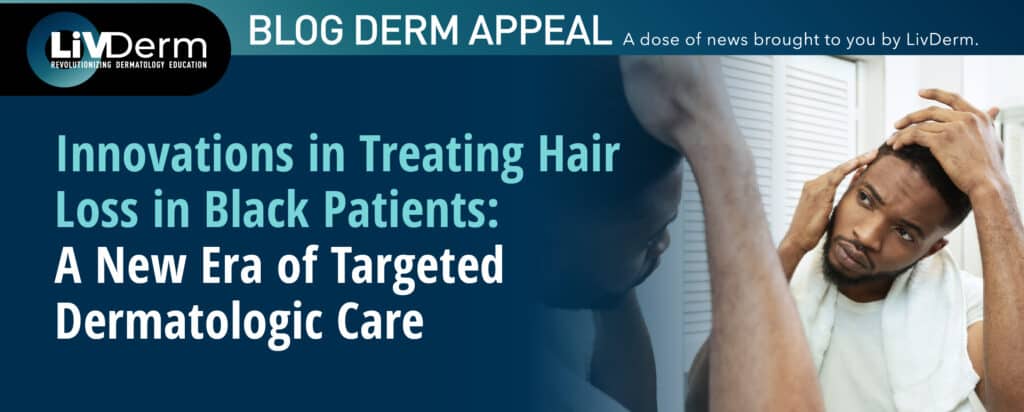
Hair loss continues to be a significant concern for many patients, but for Black individuals, especially women, the path to treatment can be more complex due to unique biological and sociocultural factors. With conditions like central centrifugal cicatricial alopecia (CCCA) disproportionately affecting this population, dermatologists are now rethinking traditional approaches and exploring new, culturally competent […]
First Targeted Biologic for Bullous Pemphigoid Brings New Hope to Dermatology Practices
The FDA has approved Dupixent® (dupilumab) as the first and only targeted treatment for bullous pemphigoid (BP) in adults – marking a transformative advancement for this chronic, autoimmune, blistering skin disease. Historically managed with systemic corticosteroids or broad immunosuppressants, BP has long posed treatment challenges, especially in elderly patients. This new approval introduces a precision […]